Description
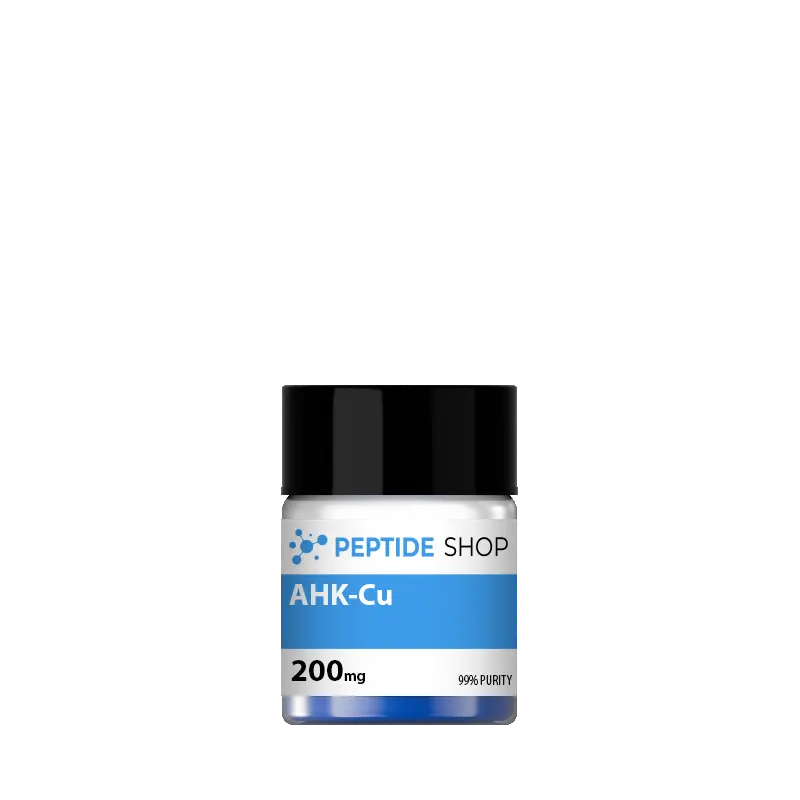
AHK-Cu is a peptide composed of three amino acids (alanine, histidine, and lysine) and a copper ion incorporated into different parts of the amino acids. This peptide, just like the GHK peptide (composed of the amino acids: glycyl, histidyl, and lysine), has many biological effects that are constantly being investigated.AHK-Cu may stimulate the growth of blood vessels and nerves and increase the synthesis of collagen, elastin, and glycosaminoglycans. It can potentially improve the function of dermal fibroblasts, which explains many of its beneficial effects on the skin.
This peptide may be able to improve and accelerate the repair of tissues such as skin, lung connective tissue, bone tissue, liver, and even the gastric mucosa. There are also numerous positive effects that AHK-Cu exerts at the cellular level, such as antineoplastic and anti-inflammatory effects. Suppression of molecules that accelerate aging diseases, anti-anxiety, and stimulating wound healing are just some of the potential positive effects of this peptide. The mode of action involves multiple biochemical pathways.
AHK-Cu Research Benefits
The Impact of AHK-Cu Peptide on Skin Integrity and it’s Regeneration
Skin tissue can withstand various damages and still recover. However, this ability decreases with age and is highest in youth. Research indicates that GHK (a natural human peptide) is responsible for this property, which is confirmed by the fact that it is most present in the plasma of young, healthy individuals. This was a perfect introduction to further research into the effects of AHK-Cu peptide on the skin, as it shows very similar effects to GHK.
The result of one of the studies suggested that this peptide could be an early signal for skin repair. This amino acid sequence is present in the alpha 2 chain of type 1 collagen. So when damage of varying intensity occurs, proteolytic enzymes are activated, and the peptide is released into the site of injury. Numerous studies have shown that this amino acid sequence can stimulate the synthesis of collagen, some of the glycosaminoglycans, and the small proteoglycan decorin.
Certain enzymes (metalloproteinases) accelerate the degradation of proteins. AHK-Cu modulates the activity of these enzymes, which indicates a regulatory effect on protein degradation in the skin. In this way, the accumulation of damaged proteins and excessive proteolysis (protein breakdown) are prevented. Excessive breakdown of the dermal matrix can badly affect the health and appearance of the skin, so this ability of AHK-Cu peptide to regulate metalloproteinases can improve skin regeneration and, therefore, its appearance.
AHK-Cu has also shown potentially positive effects on skin fibroblasts, which are key in the skin repair process. The results of one of the numerous studies show that using this peptide in combination with LED radiation, compared to LED radiation alone, increased:
- cell vitality 12.5 times,
- production of fibroblast growth factor (230%),
- collagen synthesis (70%.).
Antioxidative Potential of AHK-Cu Peptide
Oxidative stress is an imbalance between oxidative damage caused by reactive oxygen species (ROS) and the antioxidant defense system. This study investigated the effect of GHK peptides and their analogues on oxidative stress in patients with silicosis (a systemic disease that is based on fibrosis and occurs after inhalation of silica dust). Alveolar macrophages are the first line of defense, which kills the pathogen by phagocytosis. If the silica particles ingested by macrophages are not expelled from the lungs, the production of reactive oxygen species by the pathogen and damage to macrophage lysosomes follow. A series of inflammatory reactions then occur, and the pathology itself becomes pronounced. Collagen deposition and massive fibrosis occur.
GHK can form a complex with Cu. In this case, the metal ion Cu2+ may behave as an antioxidant to activate superoxide dismutase. Thus, the GHK-Cu complex and similar peptides such as AHK-Cu have a much stronger antioxidant potential than the classic form. Complexes with copper may be able to increase the ability of superoxide dismutase to decrease the production of reactive oxygen species and reduce the levels of pro-inflammatory factors in a mouse model. These antioxidant properties make AHK-Cu a potential therapeutic measure for the treatment of silicosis and lung tissue repair.
The Effect of AHK-Cu Peptide on Hair Follicle Growth
It is assumed that AHK-Cu can stimulate the proliferation of dermal fibroblasts as well as vascular endothelial cells. The results of certain studies indicate that this peptide can potentially stimulate hair growth by improving vascularization around hair follicles. Angiogenesis (the process of creating new blood vessels) brings more oxygen and nutrients to the hair follicles. The subject of this study was the effect of this compound on dermal papilla cells, as these cells are crucial for hair growth. It is also assumed that peptide has an anti-apoptotic effect on these cells.
These assumptions were confirmed by the results of this study, which show that AHK-Cu could stimulate human hair growth. The lengths of human hair follicles in the AHK-Cu-treated group were significantly increased. The peptide also stimulated the proliferation of dermal papilla cells, and in addition to this effect, the peptide decreased the number of apoptotic cells. These effects show that AHK-Cu peptide, in addition to its potential therapeutic effect, may also be used in cosmetic preparations.

Reviews
There are no reviews yet.