Description
When our immune system gets activated, we know something is wrong with our body. Either we are sick or we came in contact with an infection. Immune system generally does a good job of preventing us from becoming truly ill or allowing us to recover from whatever illness we are having at the moment. But there are certain situations where the immune system cannot handle things on its own and might benefit from a bit of extra help.
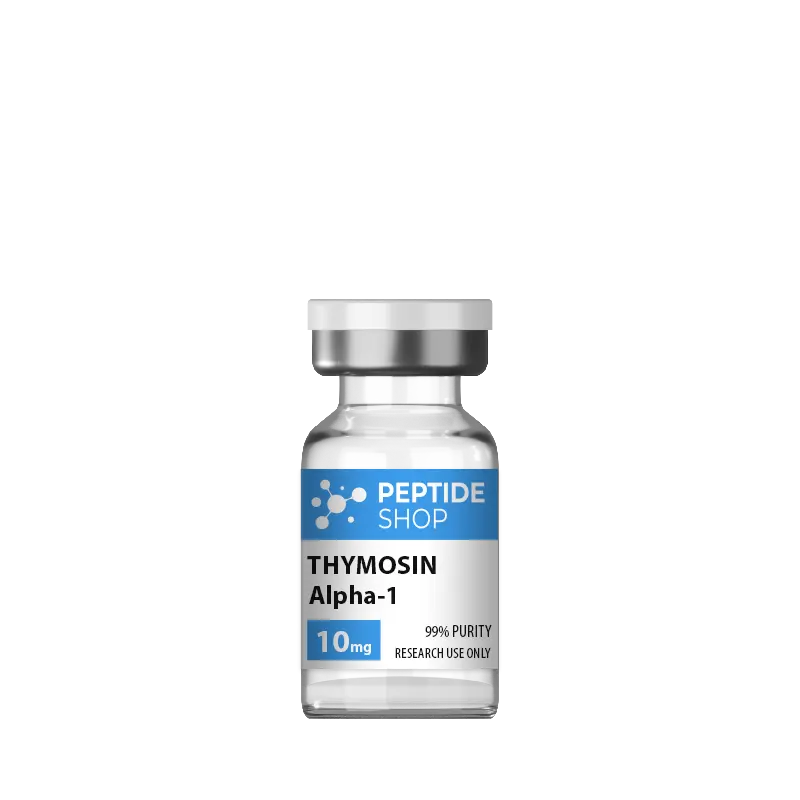
This is where drugs like Thymosin Alpha-1 enter the picture. Early research showed it can be a factor in boosting, regulating, and sustaining the immune response. Because of these potential effects, some believe that Thymosin Alpha-1 can contribute to recovery and improve the overall immune system.
In this article, I have taken data from scientific studies as well as real-life experiences and given you an impartial overview. Our aim is to prepare you with the knowledge you need to know whether Thymosin Alpha-1 might be a good option for boosting the immune system.
What is Thymosin Alpha-1?
Thymosin Alpha-1 is a peptide which was first found in the thymus gland. It is composed of 28 amino acids. Because of its strengthening effect on the immune system, scientists have spent decades searching for how to produce and purify it. Isolation from Thymosin fraction 5, which was originally extracted from calf thymus tissue, is one of the most frequent methods.
Today, labs can also produce a synthetic version called Thymalfasin using solid-phase synthesis techniques. Additionally, researchers are exploring new methods involving recombinant gene technology to improve its production.
How Does Thymosin Alpha-1 Work?
Thymosin Alpha-1 mainly works by strengthening the immune system, influencing various immune responses at the cellular level.
Although the process is quite complex, we’ll break it down as simply as possible.
One of the most significant components of the immune system is the toll-like receptors, which help the body recognize and respond to threats. Thymosin Alpha-1 attaches to some of the toll-like receptors (specifically TLR-9 and TLR-2) found on antigen-presenting cells. This way, it helps to trigger the first line of defense of the body.
Another way in which Thymosin Alpha-1 assists the immune system is by increasing interferon alpha and gamma (IFN-a and IFN-y) production. These proteins have a significant role in helping the body defend itself against viral infections.
Moreover, Thymosin Alpha-1 induces natural killer cells and contributes to T-cell maturation. Both of these types of cells help identify and destroy infected or dysplastic cells.
This peptide also helps in balancing inflammation. It suppresses the activity of certain inflammatory chemicals like IL-1b and tumor necrosis factor-a, and this can aid in managing excessive inflammation within the body.
Finally, Thymosin Alpha-1 helps the body’s function in handling oxidative stress. It acts on enzymes like superoxide dismutase and glutathione peroxidase that help in rescuing cells from damage caused by oxidative stress.
Research Thymosin Alpha-1
Thymosin α 1 and Its Function in Defending the Immune System
Thymosin alpha-1, initially discovered in thymus gland tissue, is responsible for regulating the immune system and keeping it in check. T-cells released by the thymus play a crucial role in adaptive immune defense of the body. They help the body identify and remember infections previously encountered and coordinate functions of other immune cells for greater defense against new infections.
Experiments in thymus gland-less mice demonstrate that thymosin alpha-1 alone can restore immune function and prevent systemic infections. This peptide acts well within the immune system, triggering important signaling cascades and increasing the production of cytokines and other molecules involved in allowing immune cells to communicate with each other.
One potential application of thymosin alpha-1 is in vaccines. Most vaccines today employ inactivated (killed) pathogens, since employing a live pathogen-even a weakened one-is dangerous. But inactivated vaccines have the tendency to cause a weaker immune response, giving less protection. Thymosin alpha-1 may potentially obviate this weakness by stimulating the immune response to inactivated vaccines. The result could be not only increased protection but also extended immunity. This protocol can be especially effective in combating serious diseases such as avian influenza, HIV, and other challenging diseases.
Thymosin Alpha-1 Supports Nerve Growth and Brain Maturation
The immune system is accountable for central nervous system development, growth, and maintenance, especially in young mammalian brains. Mice experiments reveal that thymosin alpha-1 is a potent enhancer of brain development. Peripherally administered, the peptide is able to even enhance cognitive function.
Thymosin alpha-1 seems to influence multiple genes that play a function in the development of nerve cells and connections between the nerve cells. It encourages the environment of the nervous system into shapes favorable for growth and healing and discourages lines that form inflammation and nerve damage. Overall, thymosin alpha-1 stimulates healthier brain structure and function.

Reviews
There are no reviews yet.