Description
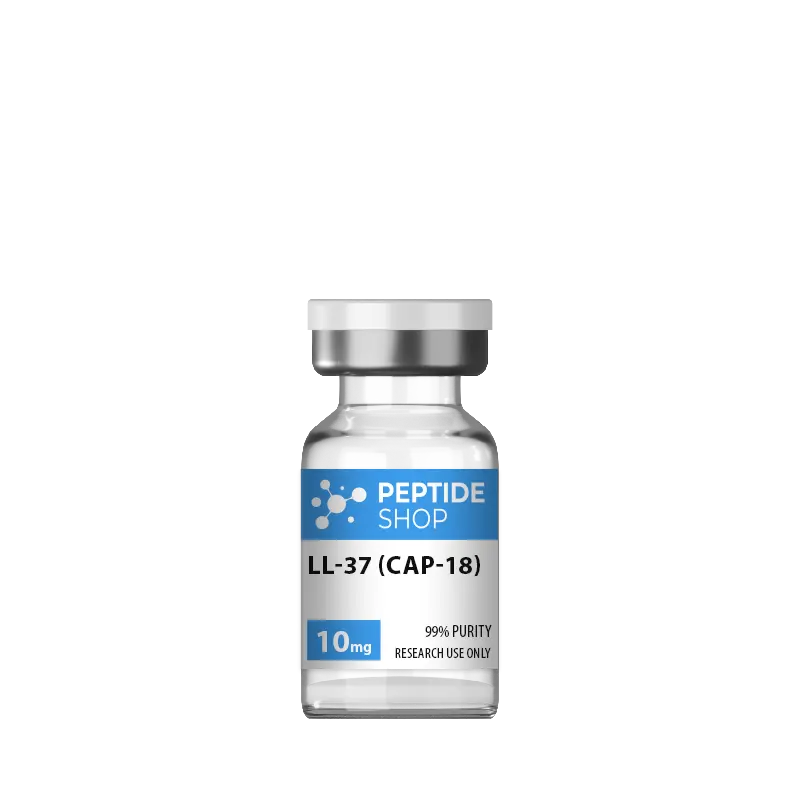
LL-37 peptide, also known as Cathelicidin, is a cationic peptide consisting of 37 amino acids. It’s mainly found in neutrophils.
This lab-produced peptide was made as a result of the extracellular breakdown of the hCAP18 proteins induced by protease enzymes. Later, it was researched for its potential antimicrobial properties. Hence, researchers believe that LL-37 can potentially form agglomerates and bilayers, which may help prevent it from fast degrading and protect it from enzymatic action.
Researchers believe that LL-37 is required to maintain immunity against all microbes. Moreover, this α-helical peptide plays a crucial role in the first line of defense from local infection at sites of wounds and inflammations.
Several other studies have proven how LL-37 interacts with microbial membranes. These discoveries also suggest that peptides can potentially interact with the microbial membrane, further leading to its breakdown.
LL-37 Research Benefits
LL-37 and Arthritis Research
The goal of this study was to estimate the potential of LL-37 peptide in arthritic joints. A group of rats was used and then divided into two groups, one control and the other experimentally induced with rheumatoid arthritis. After inducing the condition, researchers reported an increased regulation of rCRAMP, the rat analog of LL-37, in inflammatory cells.
They also suggested that LL-37 might further influence the apoptosis of osteoblasts, leading to decreased bone formation in the rat’s joints. Furthermore, this study also showed that increased levels of LL-37 peptide are characteristic of joint aches and arthritis and may potentially be used for diagnostic assessment.
In addition, a study has shown that LL-37 elevation is noticed in other inflammatory sets of conditions, like arteriosclerosis. Scientists have found that LL-37 activation, along with the consequent upregulation of interferons, are characteristic of arteriosclerosis-induced cells. Moreover, they also suggested that this peptide may have potential as an immunomodulatory agent.
LL-37 and Cancer Cells Research
Ongoing studies are still exploring the potential of LL-37 peptide in cancer cell development. So far, they have suggested that this peptide may inhibit gastric cancer cell proliferation by affecting the bone morphogenetic protein signaling system. The aim of this study was to review the potential of LL-37 as an immunotherapeutic agent.
Besides that, the aim was also to consider the potential of this peptide as an adjuvant in removing cancer cells from the host system. CpG oligodeoxynucleotides are commonly considered to be immunotherapeutic compounds as they can potentially promote tumor-suppressing activity. This study showed that LL-37 appeared to increase the CpG oligodeoxynucleotide sensitivity in lymphocytes.
LL-37 and Tissue Repair Research
In this study, researchers used mice that were first presented with an anti-inflammatory compound and then presented with LL-37 to elevate the potential of this peptide on wound healing and angiogenesis. Results showed an apparent increase in skin cell formation and vascularization. This study also indicated that LL-37 peptide may potentially influence endothelial skin cell proliferation and the formation of tubule-like structures.
Furthermore, the research suggests that LL-37 peptide may counteract the macrophages’s activation triggered by LPS (lipopolysaccharide). LPS is a component commonly known to induce immune responses. Additionally, it seems that LL-37 promotes vital endothelial cell functions for wound healing, like migration, cell proliferation, and formation of tubule-like structures, signifying angiogenesis.
These discoveries back the theory that LL-37 plays a significant role in wound regeneration, potentially through its effects on vascularization.
Summary
To sum up, continuous advancement in peptide research, like the exploration of LL-37, represents a promising step in the future in the fight against many challenging conditions.
Please note that LL-37 and many other peptides are still under investigation and are not approved for human use. However, as science progresses every day, we can anticipate a brighter future when it comes to innovative and effective peptide treatments.

Reviews
There are no reviews yet.